
 Our articles
The EU Digital Identity Wallet Explained (eIDAS 2)
La dématérialisation accrue des démarches et des échanges permet à chacun d’accéder à un large éventail de services en ligne, grâce à son identité numérique.
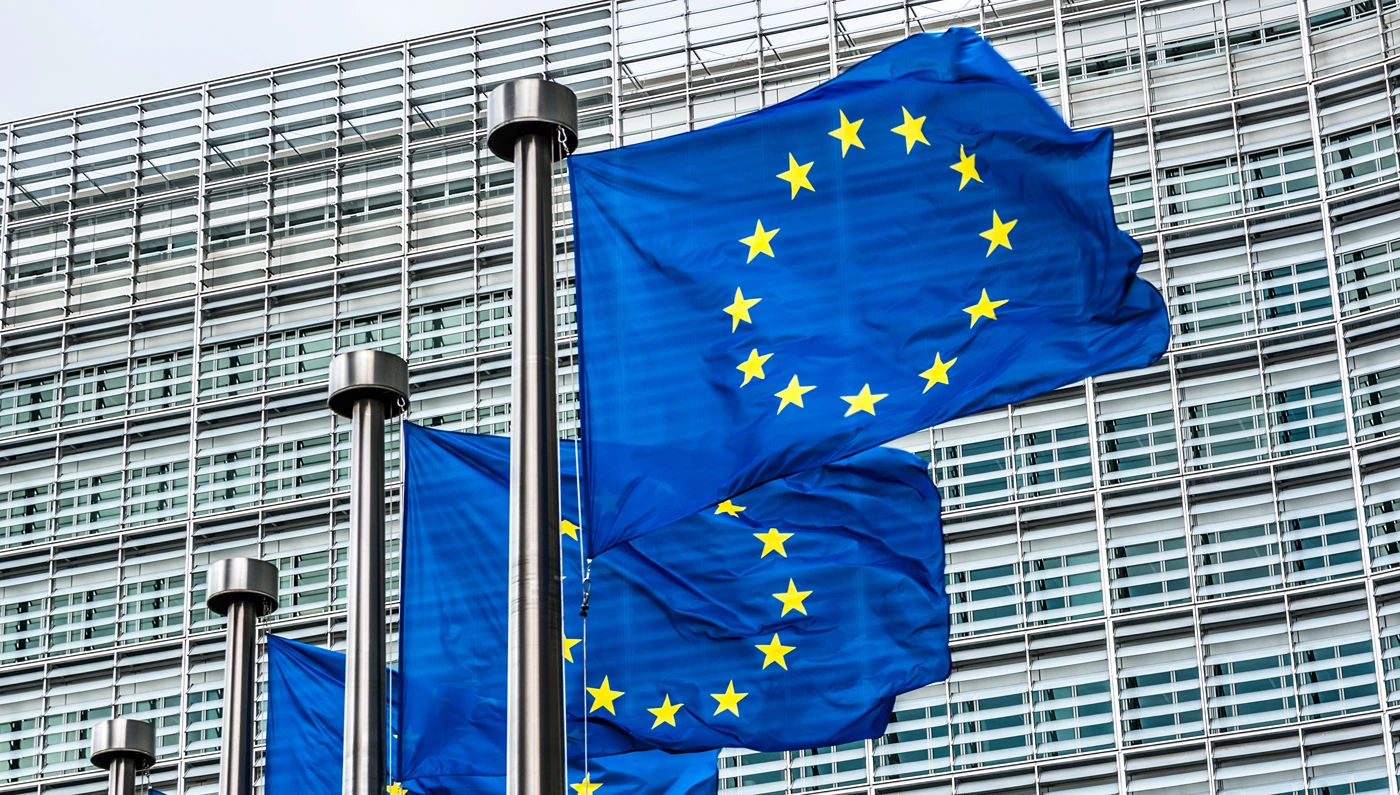
As digital identities become part of everyday life, the need for a harmonised, secure framework across Europe is growing.
That is precisely the need the European Digital Identity Wallet is designed to meet.
What role does the eIDAS 2 Regulation play in creating a European digital identity? How will the wallet work in practice? What are its goals?
Why create a European digital wallet?
The need for EU-wide harmonisation.
Today, each Member State of the European Union has its own digital identity solutions.
While these let citizens identify themselves securely, they are not recognised across the different EU countries.
The creation of a European Digital Identity Wallet, through the second version of the eIDAS Regulation, aims to establish a unified, harmonised and secure electronic identification framework across the European Union.
The wallet will let citizens prove their identity easily and securely. It will be open to everyone, valid in every Member State and make it simpler to use digital services across Europe.
eIDAS 2: a necessary step forward.
The ambition to create a digital identity at European level is not new. Regulation (EU) No 910/2014 (the “eIDAS Regulation”), adopted on 23 July 2014, already covered electronic identification, authentication and trust services for electronic transactions.
To keep pace with the rapid growth of digital activity, the European Commission proposed an updated version of the regulation with a broader scope.
The creation of a European Digital Identity Wallet is one of the flagship measures of the “eIDAS 2.0” Regulation.
The text has been adopted by the European Parliament and the Council, and is being phased in.
Find out about all the key changes in the eIDAS 2.0 Regulation in our dedicated article.
Four large-scale pilot projects were launched in spring 2023 to roll out the European wallet smoothly and securely.
Their aim is to work on the infrastructure, the technical specifications and the legal aspects of the future wallet.
Each Member State will then be responsible for deploying its own European Digital Identity Wallet, meaning implementation will happen at national level.
What will the European digital identity (eID) be used for?
Making online identity verification easier.
This European digital wallet, governed by eIDAS 2, will let EU citizens and residents store personal identification data and official documents in digital form (via an app): ID card, passport, driving licence, visas, diplomas, social security coverage certificate and more.
Other uses of the European digital identity.
Wallet users will then be able to:
- Prove their identity (identify themselves) and authenticate with public services, certain private services and online platforms designated under the European Digital Services Act (DSA).
- Authorise an online transaction where strong authentication is required.
- Sign documents online using an electronic signature.
Who will the future European digital wallet affect?
Every Member State of the European Union will be required to offer one to all citizens and residents who want it. Businesses established in the European Union will also be able to use it.
Free of charge for individuals, the European digital wallet will not be compulsory. It will be voluntary and will replace neither paper documents nor national digital identities.
The European digital wallet will be offered to every citizen or resident of an EU Member State on request. It is optional and will not replace paper identity documents.

Use cases for the European wallet.
The wallet will be usable for a wide range of online procedures, such as:
- Accessing public services (applying for a passport, a driving licence and so on),
- Opening a bank account,
- Enrolling at a European university,
- Providing information when travelling,
- Hiring a car,
- Showing a driving licence at a roadside check.
What are the benefits of the European Digital Identity Wallet?
Simplifying and harmonising digital procedures across Europe.
Also known as the “EU digital identity wallet” or “EUDI wallet”, the European Digital Identity Wallet will be valid throughout the European Union.
The EU digital identity wallet will therefore allow European citizens to access public and private services in any EU country using a single digital identity.
The eIDAS 2 Regulation places strong emphasis on the interoperability of the scheme.
Giving users better control over their data.
Wallet holders will be able to share only the personal information that is needed (civil status, age, nationality, qualifications and so on) for a specific procedure, without having to hand over anything else.
For example, the wallet will make it possible to prove that a driving licence is valid without sharing your address.
Another major change: users will no longer have to go through commercial providers to identify and authenticate themselves online.
They will remain in control of the data they share with third parties and will keep a record of what has been shared.
Securing online procedures and access to digital services.
Users of the European Digital Identity Wallet will be able to complete online procedures securely, whether for public or private services. Personal data security will be respected, and EUDI wallets will have to meet security certification requirements.